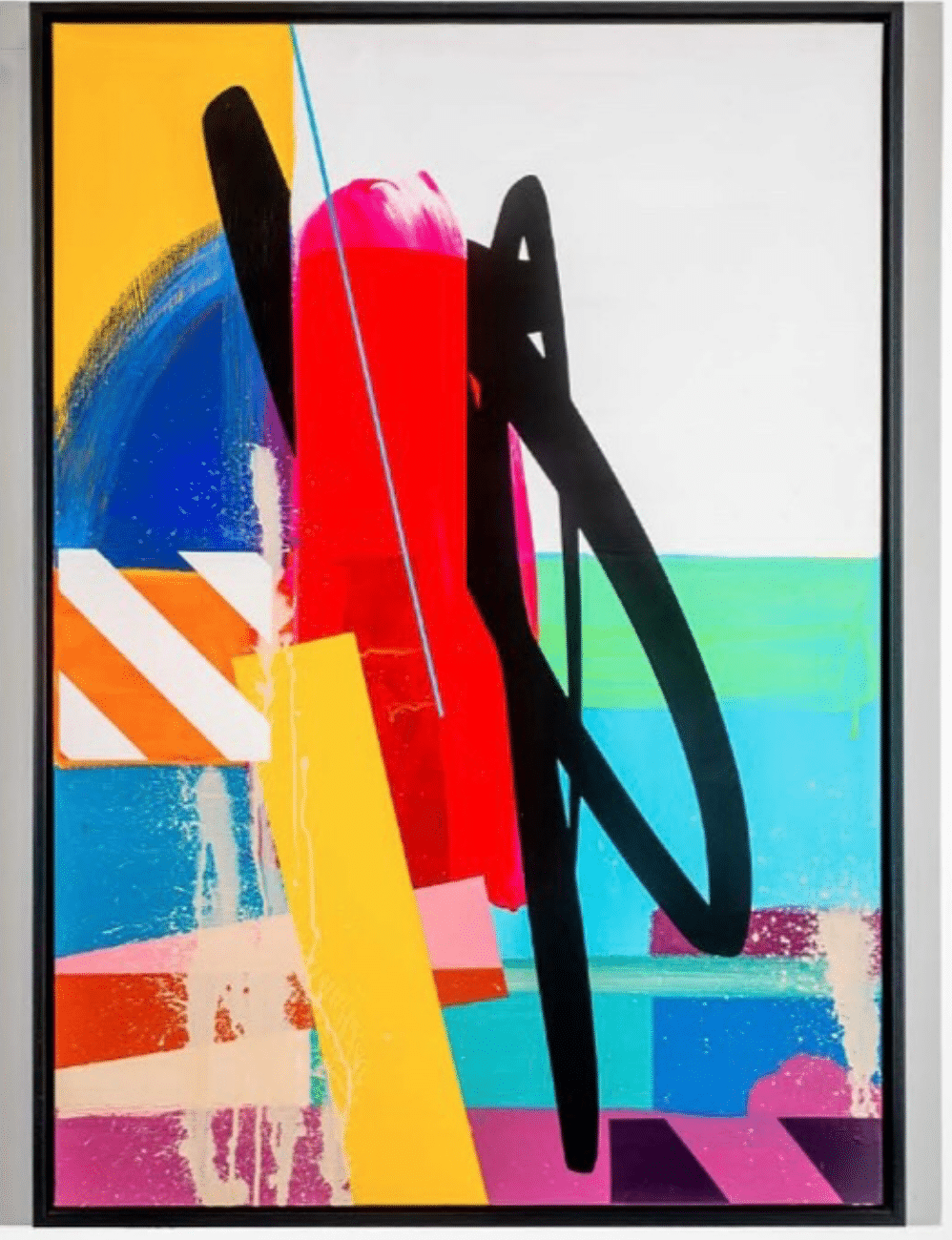
For decades, East London has carried the creative pulse of the capital. From the squatted studios of the 1980s to the globally recognised art fairs, galleries and framing shops that now fill its industrial spaces, this part of the city has continuously reinvented what it means to make and experience art.
But as rents rise and the city’s cultural map shifts, a question naturally arises: is East London still the beating heart of London’s art scene?
A brief history of creative East London
To understand the present, it’s worth looking back. The story of East London’s artistic rise is one of transformation. Areas like Shoreditch, Hackney, and Bethnal Green were once synonymous with decline and derelict factories. But artists, drawn by affordable rents and large, light-filled spaces, saw potential where others saw decay.
By the 1990s, collectives like Bank, Mongrel, and later, the YBAs (Young British Artists) had turned this corner of the city into a cultural powerhouse. Damien Hirst’s Freeze exhibition in a disused Docklands warehouse in 1988 symbolised a new kind of art energy: raw, disruptive, unapologetically urban. That energy still echoes today.
Where are today’s creative London hotspots?
Fast-forward to 2025, and East London remains an artistic ecosystem unlike any other. While the days of cheap warehouse studios may be gone, the creative spirit hasn’t left — it has simply evolved.
Neighbourhoods like Hackney Wick, London Fields, and Walthamstow now host thriving studio communities. Mother Studios and Stour Space continue to provide affordable creative environments, while new galleries like Annka Kultys Gallery and Auto Italia South East bring fresh perspectives to the forefront.
What’s particularly exciting is how diverse the art forms have become. From digital installations to large-format photography, street murals to textile design, East London’s art scene is less about exclusivity and more about expression.
It’s a place where fine art, music, and technology constantly collide.
The rise of local collectors and art buyers
Another reason East London continues to beat strongly is its community of collectors and buyers. A new generation of homeowners and design-savvy professionals, often working in creative industries themselves, are seeking to invest in art that feels personal.
They’re not necessarily looking for blue-chip names. Instead, they value authenticity, local stories, and emotional connection. Weekend gallery walks in Shoreditch, Clapton, or Dalston are as much about inspiration as they are about acquisition.
Framers who understand the local art aesthetic help collectors and artists alike preserve the integrity of the piece while ensuring it fits seamlessly into contemporary interiors.
How is East London’s art scene evolving?
One of the most defining features of East London’s art scene is the way it blurs the lines between street and studio. Public art thrives here in ways other parts of the city struggle to replicate.
From the constantly changing walls of Brick Lane to the large-scale murals in Hackney Wick, art doesn’t hide behind gallery walls.
This accessibility keeps the scene dynamic and democratic. Artists exhibit both on the streets and in galleries, crossing genres with ease. Events like First Thursdays, where local galleries open late across East and South East London, keep that grassroots connection alive.
What are the challenges and the next chapter for London’s art scene?
Of course, no creative area is immune to change. Rising property costs have pushed some artists further east, into Leyton, Barking, and even beyond London.
Yet, rather than diluting the art scene, this expansion has created new micro-hubs of creativity. Pop-up spaces, shared studios, and independent art fairs have made it easier than ever to engage with emerging talent.
The shift has also inspired more thoughtful collaborations between artists, designers, and local businesses. From cafés exhibiting local prints to interiors projects that pair custom framing with contemporary art, creativity continues to find new ways to thrive.
So, is East London still the place to be for art?
Of course, though perhaps the rhythm has changed. It’s less chaotic, more mature, and increasingly intertwined with design, sustainability, and craftsmanship. East London has moved from rebellion to refinement without losing its soul.
For collectors, designers, and anyone passionate about contemporary culture, this part of London remains an endless source of inspiration.