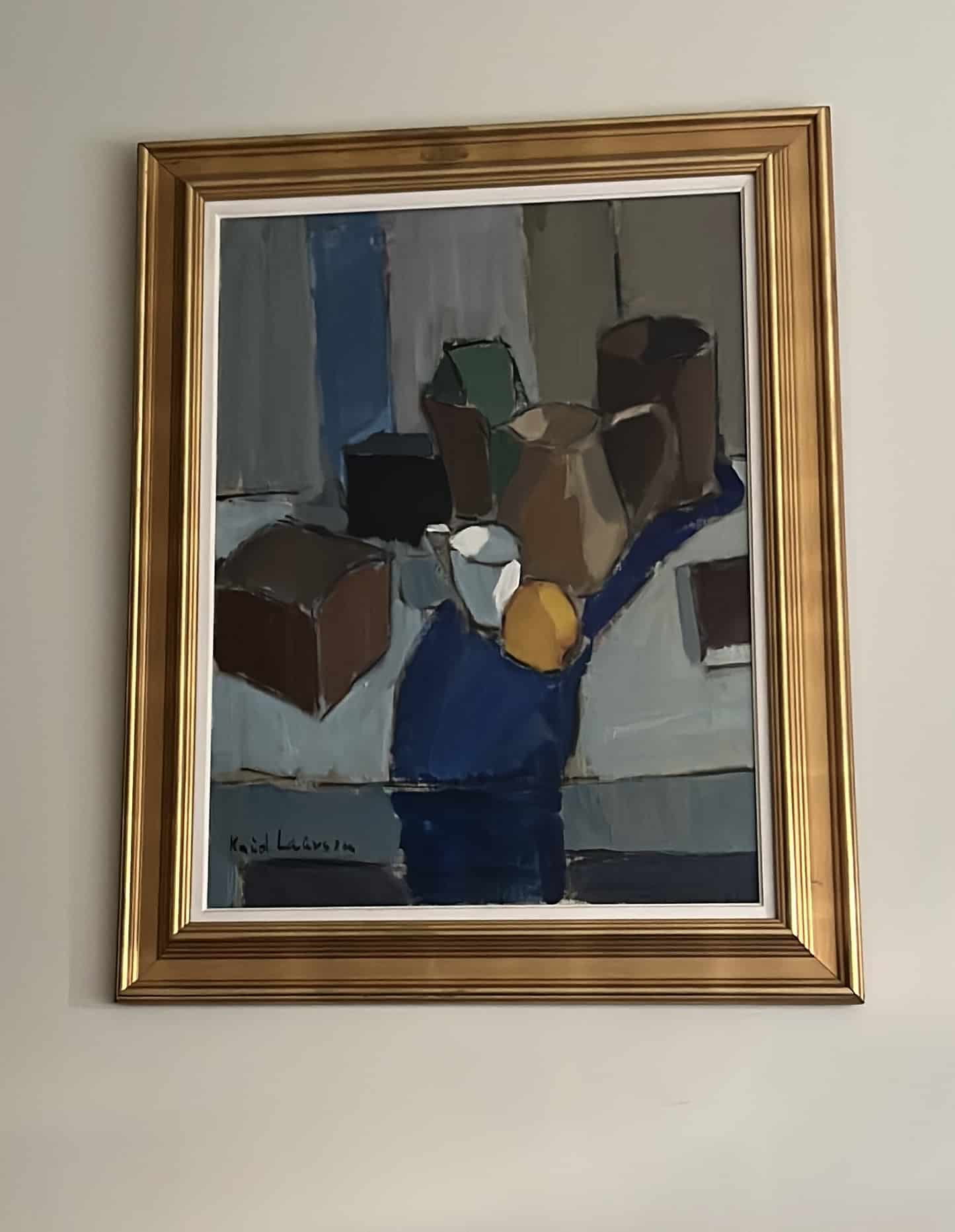
Winter brings challenges for your artwork. Damp air, fluctuating temperatures, and low winter sunlight can damage paintings, prints, and photographs if they’re not properly cared for.
However, with the right approach, you can enjoy your art all year round without worrying about deterioration. Here’s how.
Why does winter pose a risk to your artwork?
Cold, damp conditions can cause frames to warp and wooden mounts to swell. Paper and canvas can absorb moisture, leading to buckling, rippling, or even mould.
On the other hand, sunlight, even the low winter sun, can gradually fade pigments in prints, photographs, and paintings.
Understanding these risks is the first step toward protecting your investment, whether it’s a treasured family photograph, an original painting, or a new print from your favourite artist.
Choose the right frame and mounting materials
Custom picture framing isn’t just about style; it’s about protection. Using high-quality materials can dramatically increase the lifespan of your artwork:
- Acid-free mounts and backing boards prevent yellowing and deterioration of paper-based works.
- Museum-grade glass or acrylic offers UV protection while reducing glare from low winter sunlight.
- Proper sealing keeps moisture from creeping in, particularly important for damp winter months.
At our studio, we ensure every frame is built not just to complement your artwork but to safeguard it for years to come.
Position your artwork wisely
Even the best frame can’t protect artwork from poor placement. Consider these tips:
- Avoid placing art directly opposite windows, especially where the winter sun streams in. Even indirect sunlight can gradually fade colours over time.
- Keep artwork away from radiators, fireplaces, and cold draughts, which can cause expansion and contraction in both frame and art.
- For rooms prone to condensation, avoid hanging art on exterior walls. A little extra distance can help prevent moisture damage.
Control indoor humidity and temperature
Maintaining a stable indoor environment is essential. Sudden changes in temperature and humidity are often more damaging than the cold itself:
- Aim for a consistent room temperature between 18 – 22°C.
- Keep humidity levels around 45 – 55 per cent. Too low and paper may crack; too high and mould can develop.
- If your home struggles with damp, consider a dehumidifier or moisture-absorbing products near art walls.
Even small adjustments can make a big difference in winter.
Regular care and maintenance
Protecting your artwork isn’t a one-time job; it’s ongoing. A few simple habits can preserve its condition:
- Dust frames gently with a soft, dry cloth. Avoid water or cleaning sprays that can seep into mounts.
- Inspect frames for signs of warping, gaps, or condensation, especially after storms or heatwaves.
- Rotate artworks if sunlight exposure is unavoidable, giving each piece a break from direct light.
Routine care keeps your art looking its best and helps identify potential problems before they become serious.
Why professional framing is a long-term investment
While there are steps you can take at home, nothing beats professional custom framing. A frame designed specifically for your artwork using museum-grade materials, UV-filtering glass, and expert sealing ensures maximum protection.
For unusual, oversized, or valuable pieces, bespoke framing is often the most effective way to prevent winter-related damage.
We work with residential and commercial clients alike, from homeowners wanting a gallery-style wall to interior designers specifying safe display options for clients’ collections. We make the process simple, approachable, and tailored to your art and space.
With the right frame, careful placement, and a few seasonal habits, you can enjoy your artwork all year round. If you’re unsure about your current setup, our team can assess your pieces and recommend protective framing solutions that look fantastic and safeguard your investment.