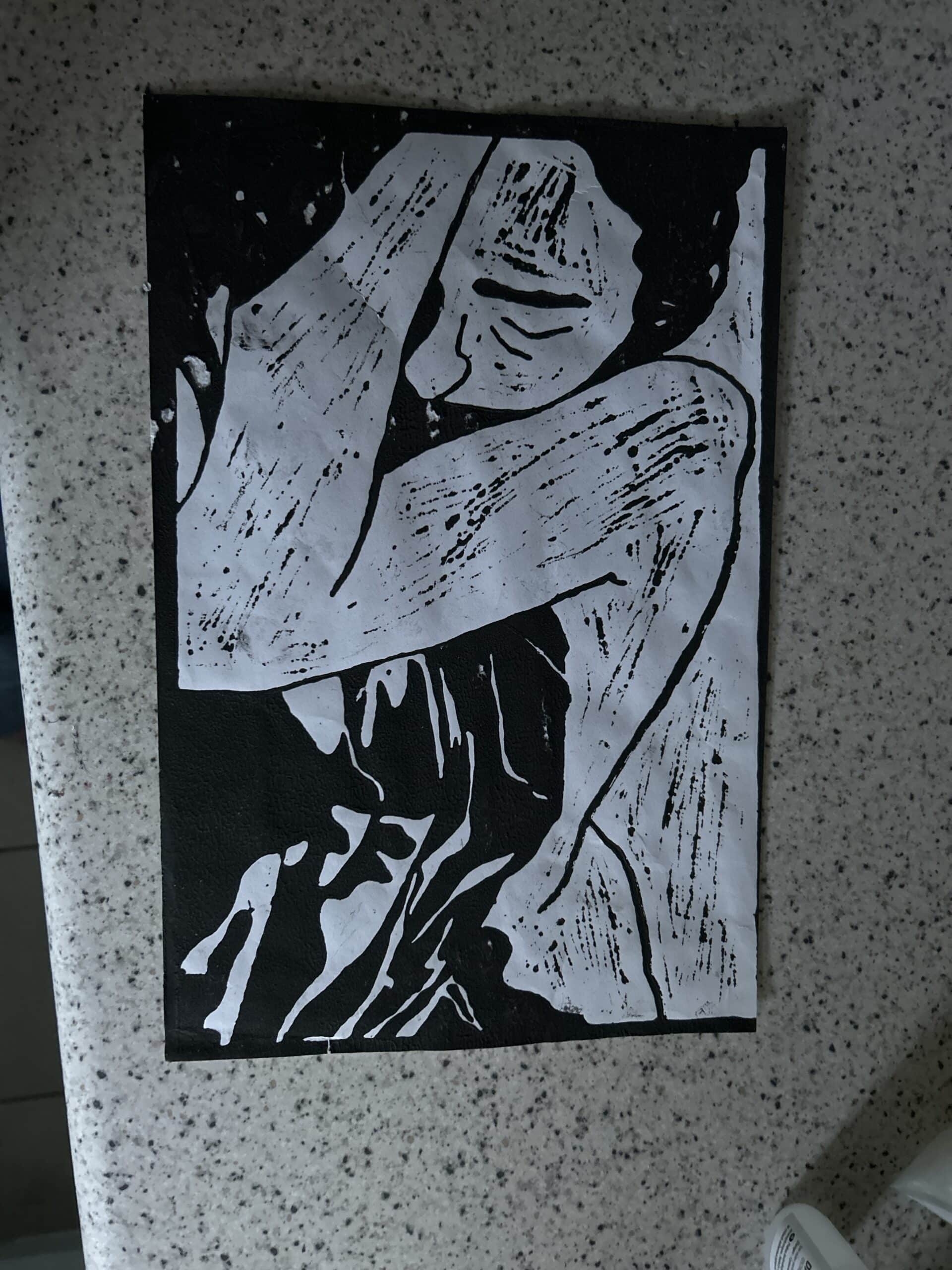
Choosing a picture frame might look simple enough. Pick something that fits, matches the room, and doesn’t cost the earth: job done. But professional framers approach framing very differently, and that difference is exactly why DIY framing so often looks wrong.
So what are professional framers actually thinking about when they choose a frame? And why does it matter so much?
Why professional framers starts with the artwork, not the frame
The first mistake people make when framing at home is starting with the frame itself. Professionals do the opposite.
A good framer studies:
- The medium (print, original artwork, photograph, textile)
- The paper or surface
- The colour palette and tonal balance
- The age and condition of the piece
- Whether it has monetary or sentimental value
Only once the artwork is understood does the framing conversation begin. The frame exists to support the artwork, not compete with it. This is why professional framers often ask more questions than customers expect. It’s not upselling; it’s groundwork.
Why does picture frame proportion and scale matter?
DIY framing often fails because of poor proportion. Ready-made frames are built to standard sizes, not to visual balance.
Professional framers look at:
- The visual “weight” of the artwork
- How much space it needs to breathe
- Whether a mount is required, and how wide it should be
- How the piece will sit on the wall
An artwork that feels underwhelming or oddly cramped on the wall is often framed incorrectly, not inherently weak. This is especially important in contemporary homes, where negative space and clean lines are intentional design choices.
Picture frame materials are chosen for longevity, not just looks
One of the biggest differences between professional framing and DIY is what you can’t see.
Professionals consider:
- Acid-free mounts
- Conservation or museum-grade backing boards
- UV-filtering or museum glass
- Proper sealing to protect against dust and moisture
DIY frames frequently use acidic materials that slowly damage artwork over time. Discolouration, foxing, and fading often take years to appear, which is why the problem is missed until it’s too late.
A professional framer’s goal is to protect the artwork for decades, not just make it look good this year.
The frame should complement the artwork and the interior
Another common DIY pitfall is choosing a frame that works in the room but clashes with the artwork, or vice versa.
Professionals balance three things at once:
- The artwork
- The interior space
- The owner’s taste
That balance is subtle. A frame that’s too bold can overpower delicate work. One that’s too minimal can flatten a piece that needs structure. Colour, texture, depth, and finish all play a role.
Professional framers see problems before they happen
Experienced framers are trained to spot issues most people wouldn’t notice:
- Fragile paper that shouldn’t be pressed
- Inks that may react to certain mounts
- Prints that need to float rather than sit flush
- Artwork that should never touch glass
DIY framing often assumes “one method fits all.” Professional framing never does.
Why local expertise makes a difference
Working with a framing shop in East London offers a specific advantage: understanding how art is actually displayed in real London homes and commercial spaces.
From modern apartments to period properties, local framers see patterns such as lighting conditions, wall types, and room sizes that influence framing decisions in practical ways. That local knowledge is hard to replicate online or with off-the-shelf solutions.
Why DIY picture framing usually disappoints in the long run
DIY framing isn’t always a disaster, but it often leads to:
- Artwork that feels visually “off”
- Frames that age badly
- Damage that only becomes visible years later
- The need to reframe properly anyway
Professional framing isn’t about being precious; it’s about getting it right once.
A professional framer doesn’t just frame artwork; they interpret it, protect it, and help it sit confidently in the space it lives in. That’s why professional framing feels effortless when it’s done well, and why DIY attempts often feel slightly wrong, even if you can’t quite say why.
If you’re unsure how your artwork should be framed, a professional consultation can save time, cost, and disappointment later.
A good framer will help you understand the options, and guide you toward a solution that genuinely works for your piece and your space.