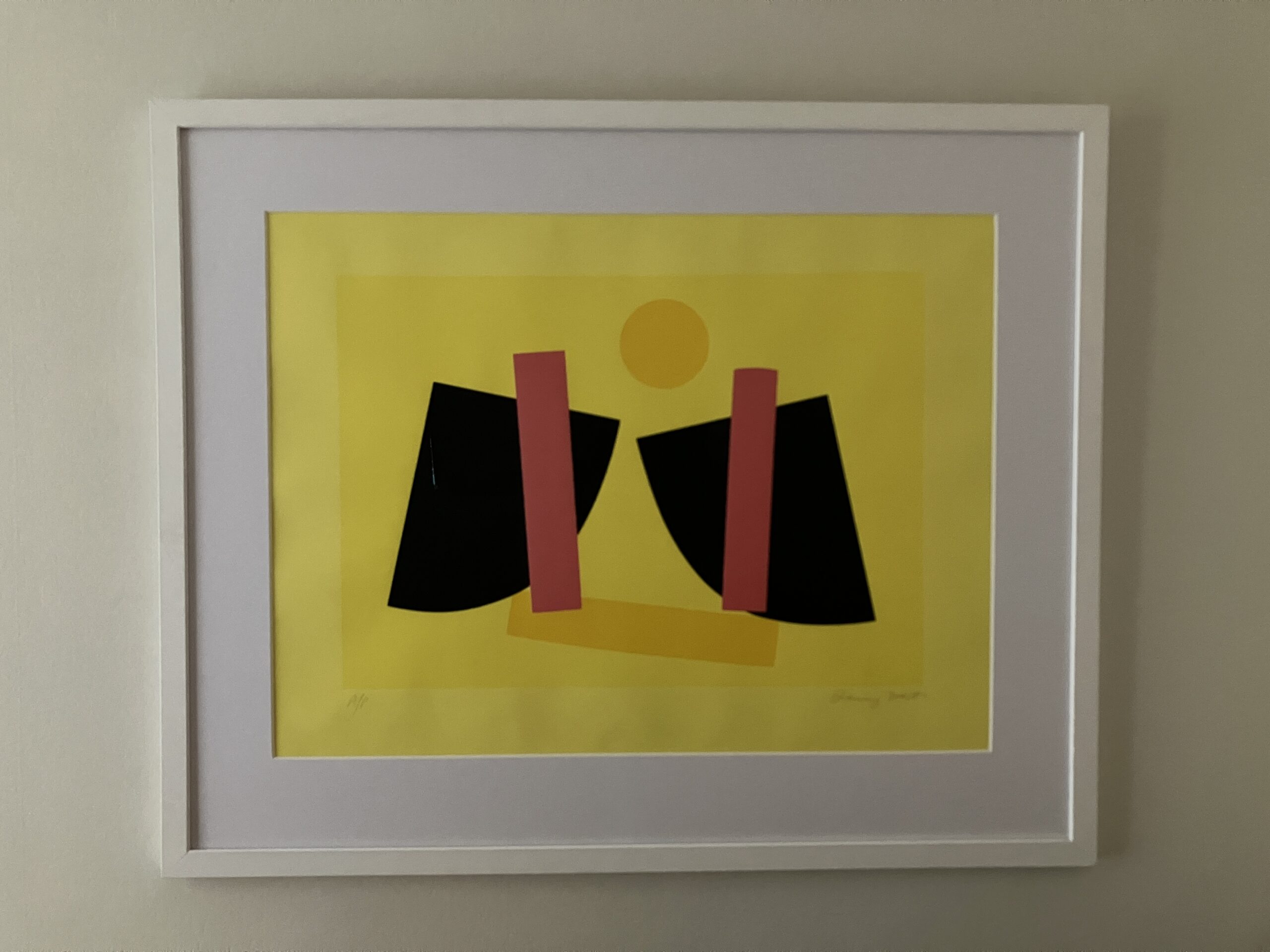
Modern art is designed to make an impact. Whether it’s a bold abstract, minimalist print or contemporary photography, the last thing you want is a frame that distracts from the artwork itself.
Yet choosing the wrong frame is one of the most common mistakes people make when framing modern pieces.
So how do you select a frame that enhances modern art rather than competes with it? Here’s what our professional framers in Lower Clapton take into account.
Why is framing modern art different from traditional artwork?
Traditional artwork often benefits from decorative or ornate frames that echo classical styles. Modern art is different. It relies on space, balance and clarity.
A heavy or decorative frame can:
- Pull focus away from the artwork
- Clash with the artist’s intention
- Make a contemporary piece feel dated
Modern art typically needs a frame that supports rather than speaks. The goal is to create a visual boundary that allows the artwork to breathe.
Should modern art always be framed simply?
In most cases, yes, but “simple” doesn’t mean boring. Clean lines, subtle textures and considered materials are usually the best choice for modern pieces. Slim profiles, smooth finishes and neutral tones allow the artwork to remain the focal point.
However, simplicity still requires expertise. The wrong shade of white, the wrong depth, or the wrong finish can feel just as intrusive as an overly ornate frame.
Professional framers pay close attention to undertones, surface texture and proportion to ensure the frame complements the artwork without disappearing completely.
What frame colours work best for modern art?
Colour choice is one of the most important framing decisions for contemporary work.
- Black frames create contrast and definition, especially for bold or graphic pieces.
- White frames can work beautifully with minimalist or photographic art, but must be carefully matched to avoid looking stark or cheap.
- Natural wood frames add warmth and are ideal for softer abstracts or earthy palettes.
- Muted tones such as charcoal, soft grey or warm off-white often provide a more refined alternative to pure black or white.
A professional framer will also consider the wall colour, lighting and surrounding furniture before recommending a frame colour.
Does mounting matter for modern artwork?
The mount (The cardboard border that surrounds a picture inside the frame), or the decision not to mount at all, plays a huge role in how modern art is perceived.
Many contemporary works benefit from:
- Float mounting, which creates space between the artwork and frame
- Minimal or no mount, for a clean, edge-to-edge look
- Deep mounts, which add quiet drama without decoration
Mounts should never overpower modern art. Instead, they should guide the eye inward and enhance the sense of balance and space.
How do you choose the right frame depth and profile?
Frame depth is often overlooked, but it’s critical with modern art. Shallow frames suit small, minimalist works, while deeper frames can add presence to larger or more impactful pieces. A deep frame can create a gallery-style look, particularly effective for statement art.
The key is proportion. A frame that’s too thin can look insubstantial; too thick and it dominates the artwork. Professional framers consider the size, weight and visual intensity of the piece before selecting the profile.
Can the wrong glass ruin a modern artwork?
Standard glass can cause reflections that distract from the artwork, especially in bright or open-plan spaces.
For modern art, specialist glazing options such as low-reflection or UV-protective glass can dramatically improve how the piece is viewed while also protecting it from light damage.
This is particularly important for limited edition prints and photography, where longevity and clarity matter.
Why is professional framing worth it for modern art?
Modern art often looks deceptively simple, which means any framing mistake is immediately visible.
Professional framers bring:
- An eye for proportion and balance
- Access to high-quality materials
- An understanding of how art interacts with interiors
- Conservation knowledge that protects your artwork long-term
For design-conscious homeowners and creatives, professional framing isn’t an indulgence; it’s part of the artwork’s presentation.
If you’re unsure how to frame a modern piece, a consultation with an experienced framer can make all the difference.
Seeing materials in person, comparing finishes and discussing how the artwork will live in your space ensures a result that feels considered, confident and timeless.