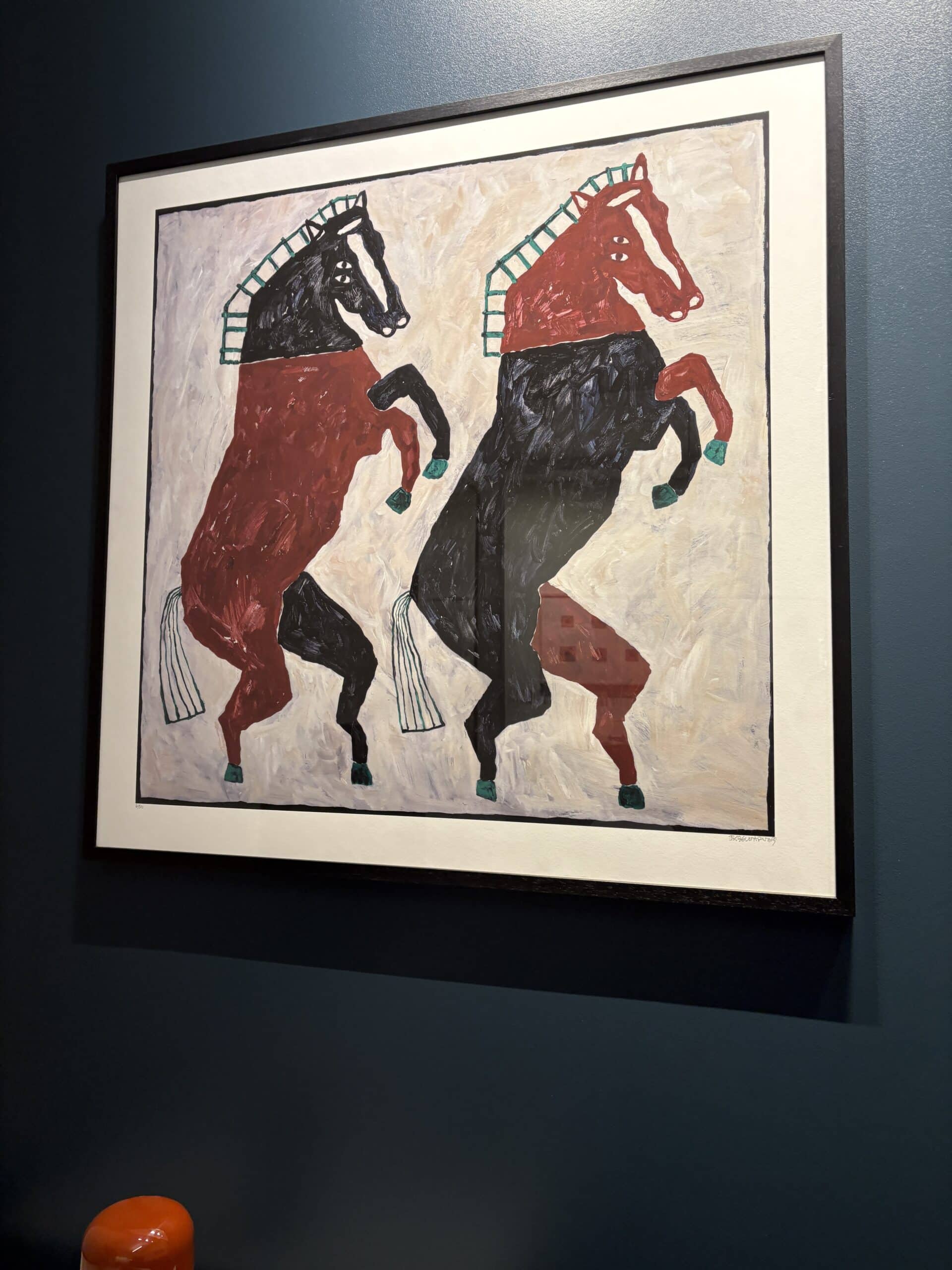
Interior designers rarely treat artwork as an afterthought. In well-designed spaces, art is usually part of the plan from the beginning, not just something added to fill an empty wall. And the framing plays a huge role in making that work feel connected to the room around it.
The right custom picture frame can pull together materials, soften a space, add contrast, or give a room a more finished feel. That’s why interior designers tend to approach framing differently.
Why does framing matter so much in interior design?
Good interiors rely on cohesion. That doesn’t mean everything has to match, but there needs to be a sense of balance between colours, materials, shapes, and textures. Framing helps bridge those elements.
Designers use framing to:
- Tie together colour palettes
- Introduce warmth or contrast
- Create consistency across multiple rooms
- Elevate simpler artworks
- Make spaces feel more resolved
It’s often one of the final details added to a project, but it has a disproportionate impact on the finished result.
How do designers choose picture frame colours?
Usually, they start by looking at the room rather than the artwork alone. That doesn’t mean matching frames to furniture exactly; it’s more subtle than that. Designers tend to repeat tones or materials already present in the space so everything feels connected.
For example:
- Natural oak frames might echo timber flooring or furniture
- Black frames can add structure to lighter interiors
- Soft painted frames can pull colour from textiles or walls
The goal isn’t perfect coordination. In fact, spaces that feel overly coordinated often end up looking flat. Instead, designers aim for visual rhythm: small repetitions that make a room feel cohesive without feeling staged.
Why are simple picture frame styles so popular?
Because they age better. Trends move quickly in interiors, but clean, minimal framing tends to stay relevant. That’s why many designers lean towards slim, box, or square profiles with matte finishes and restrained detailing.
Simple frames also allow the artwork to breathe. If the artwork is strong, it doesn’t need an overly decorative frame competing for attention. And if the artwork is more subtle, a clean frame gives it structure without overpowering it.
How do designers use picture framing to create balance?
Framing can completely change the weight of a piece within a room. A large artwork in a thin frame might feel light and contemporary. The same artwork in a deeper profile could suddenly feel more architectural and grounded.
Designers use this strategically. In rooms with lots of texture such as timber, fabrics, and softer finishes, a sharper black frame can create definition. In more minimal spaces, warmer woods or painted finishes can stop things feeling cold.
Mounts also play a role here. Wider mounts can create breathing room around busy artwork and make pieces feel more refined and gallery-like. These details sound small, but together they shape the atmosphere of a room.
Do interior designers mix picture frame styles?
Yes, but carefully. One mistake people often make at home is trying to keep every frame identical. Designers rarely do this unless the space is extremely minimal.
Instead, they usually work within a controlled palette:
- Similar tones
- Consistent materials
- Repeating proportions or finishes
That allows different artworks to coexist without the space feeling chaotic.
How important is scale and placement?
Arguably more important than the artwork itself.
Interior designers spend a lot of time considering:
- The size of the artwork relative to the wall
- Sight lines through the room
- Ceiling height
- Furniture placement
- Natural light
Framing affects all of this. A deeper frame can give smaller work more presence. A wider mount can help a piece hold its own on a larger wall.
Why do designers often commission custom picture framing?
An off-the-shelf frame rarely fits the space properly.
Custom framing gives designers control over:
- Exact proportions
- Materials and finishes
- Colour matching
- Mount depth and spacing
- Glazing options
That flexibility matters, especially on residential projects where the goal is to make everything feel intentional and resolved. It also allows artwork to sit more naturally alongside bespoke furniture, lighting, and materials.
Interior designers understand that framing is part of the design language of a space. The right frame can draw a room together. It can make artwork feel more valuable, more considered, and more at home in the environment around it.