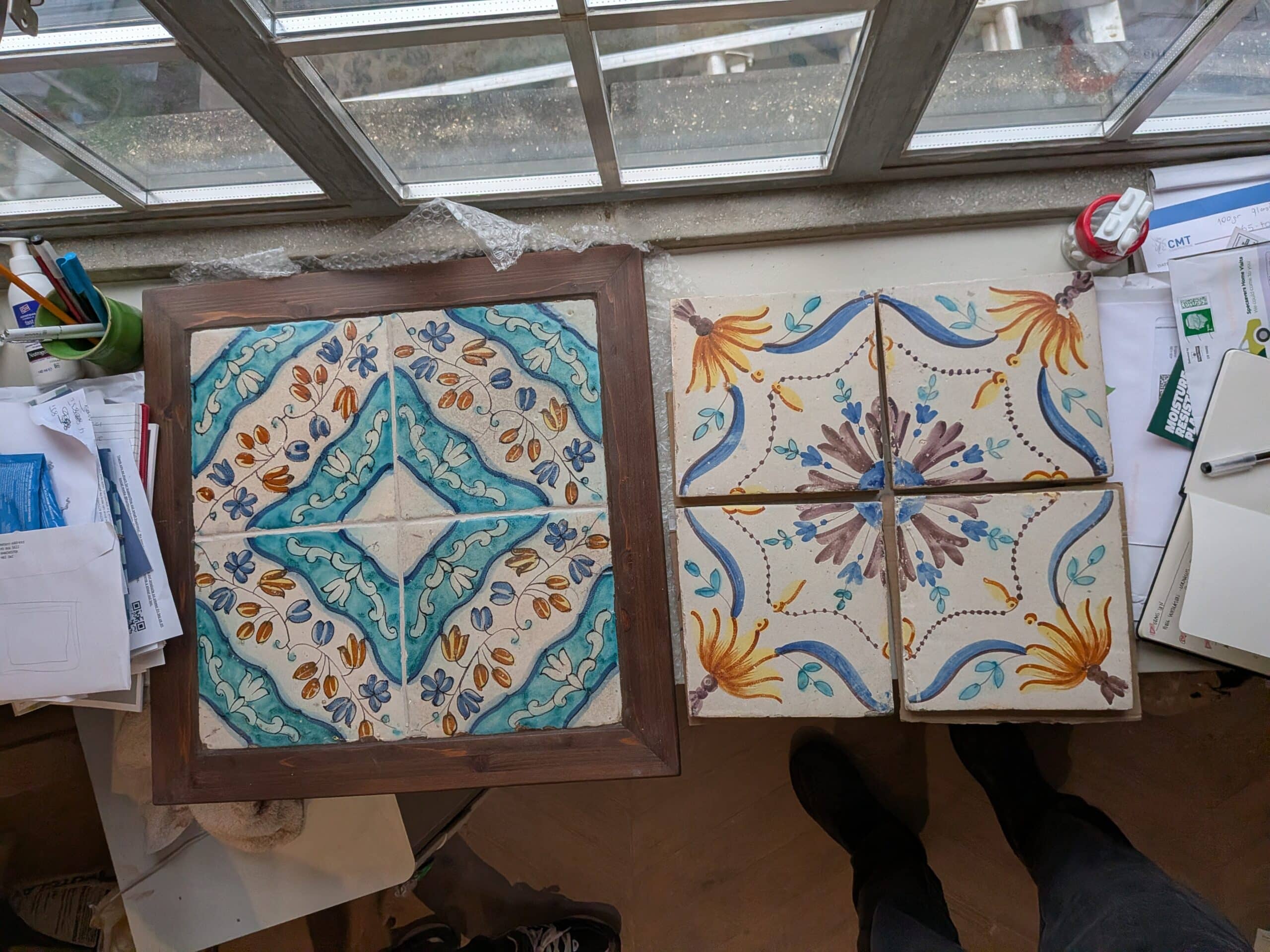
When applying for exhibitions or open calls, framing is often treated as an afterthought. Yet the way a piece is presented can strongly influence how it’s received. Good framing doesn’t shout for attention, but bad framing is immediately noticeable.
If you’re an artist preparing work for submission, the goal is simple: present your artwork professionally, consistently, and in a way that doesn’t distract from the work itself. Here’s how to approach framing for exhibitions and open calls with clarity and confidence.
Why is exhibition picture frame selection important?
Curators and selection panels view large volumes of work in a short time. Anything that makes a piece look unfinished, inconsistent, or poorly considered can work against it, even if the artwork itself is strong.
Well-chosen framing:
- Signals professionalism and attention to detail
- Helps artwork sit comfortably alongside other pieces
- Reduces visual noise in group exhibitions
- Protects the work during handling and installation
In most cases, the best framing choice is the one that speaks quietly but confidently.
Start with the exhibition guidelines
Always check the submission or exhibition brief first. Many open calls specify framing requirements, including:
- Frame colour (often white, black, or natural wood)
- Glazing rules (glass vs acrylic)
- Maximum depth or size
- Hanging systems
If guidelines are given, follow them precisely. Even strong work can be rejected for not meeting practical requirements. When no guidance is provided, neutral, understated framing is the safest route.
Keep frame styles consistent
If you’re submitting multiple pieces, consistency is essential. Different frame styles, colours, or profiles can make a body of work feel disjointed.
A simple approach works best:
- Use the same frame profile across all pieces
- Keep colours uniform (white, black, or natural wood)
- Match mount sizes and proportions
This allows the work to read as a cohesive series rather than individual, competing objects.
Should you use a mount for exhibition work?
In many cases, yes. Mounts help artwork sit cleanly within the frame and create visual separation from the glazing. They’re particularly useful for works on paper, including prints, drawings, and photography.
A window mount is the most common choice for exhibitions because it:
- Looks familiar and professional in gallery settings
- Protects the artwork from touching the glass
- Adds clarity and focus
Mount colour should be neutral. Off-white or soft white is usually preferable to bright white, which can feel harsh under gallery lighting.
For contemporary work where the edges are part of the piece, a float mount can be a strong alternative: just ensure it’s done cleanly and precisely.
When is edge-to-edge framing appropriate?
Edge-to-edge framing can work well for:
- Posters or prints with built-in borders
- Graphic or typographic work
- Bold contemporary pieces
However, it’s less common in traditional gallery settings and can feel less formal if not executed properly. If choosing this route, spacers are essential to keep the artwork off the glass and maintain a professional finish.
Choosing the right frame material
For exhibitions and open calls, understated materials are best.
- Solid wood frames (oak, ash, or painted) feel considered and durable
- Slim profiles keep attention on the artwork
- Matt finishes reduce glare under lighting
Avoid overly decorative mouldings or anything that competes with the work. The frame should support the piece, not try to add character of its own.
Don’t overlook glazing
Glazing is often where artists try to cut costs, but it’s also where presentation can suffer most. Gallery lighting can cause strong reflections, making work difficult to view. Where possible, opt for:
- Anti-reflective glass for exhibitions
- UV-protective glass for valuable or sellable work
This improves viewing conditions and reassures buyers that the artwork has been properly cared for.
Hanging and practical details matter
Curators and installers will notice practical details immediately.
Make sure:
- Frames are square and well-joined
- Hanging fixings are secure and appropriate to size
- Larger frames have proper support systems
- Backing boards are clean, sealed, and conservation-grade
These details make installation smoother and reflect well on the artist.
Think beyond the exhibition
If work is for sale, framing becomes part of the buying decision. Clean, professional framing increases perceived value and makes the piece easier for a buyer to live with. Neutral framing also makes it more likely a buyer will keep the frame rather than replace it.
A final word of advice
If you’re unsure, ask, please don’t hesitate to get in touch with us at our framing shop in North London. We will be delighted to help you choose a solution that suits the artwork, the exhibition context, and your budget, without overcomplicating things.