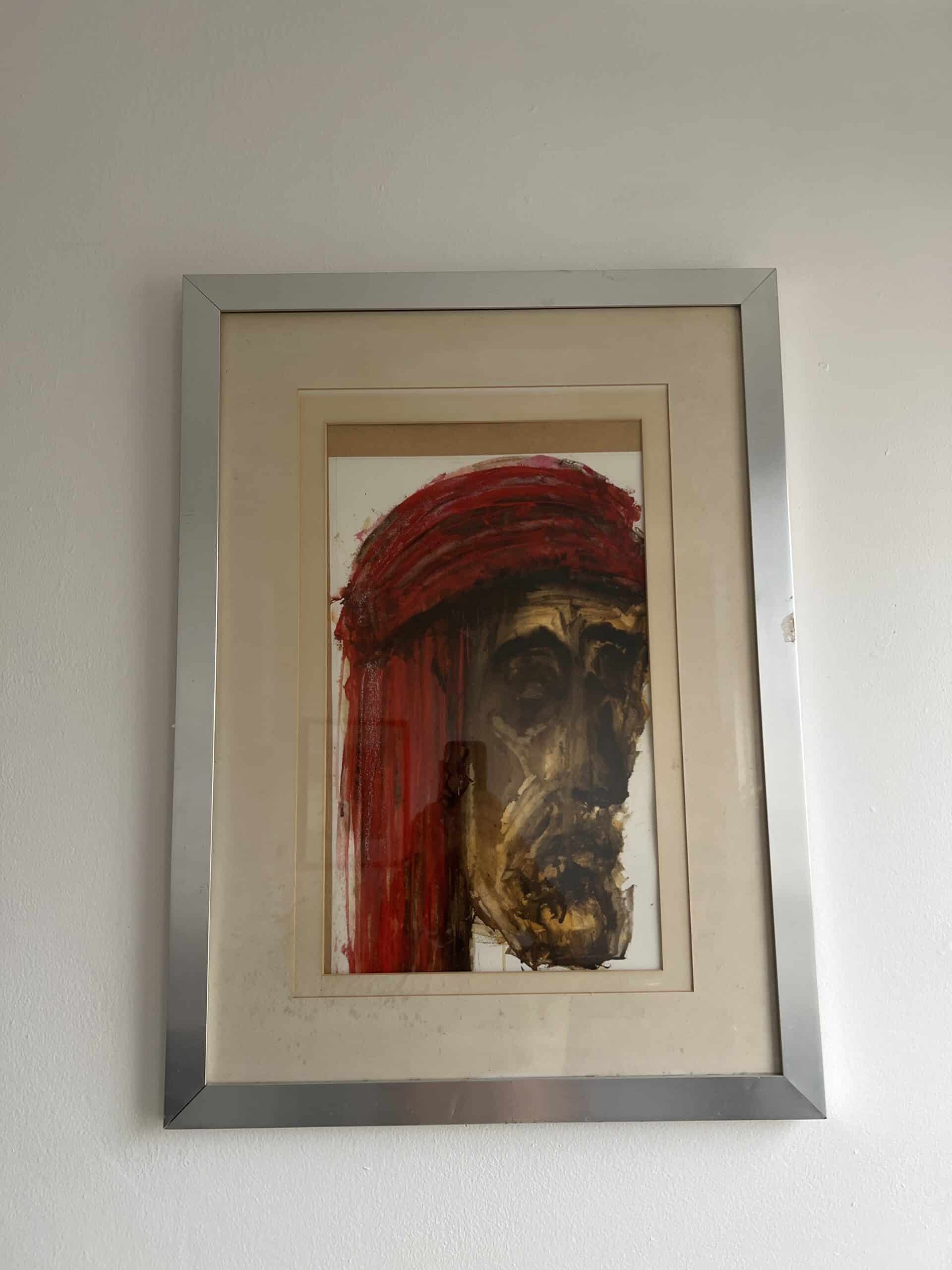
If you are beginning to explore the world of collecting fine art, one question often comes up: What’s the difference between a limited edition and an open edition print? Understanding this distinction can help you make more informed, confident decisions, whether you’re buying a print to enjoy in your home or as a future investment.
At our London framing shop, we work with a range of both limited and open edition artworks, and this is a recurring client question that’s well worth asking. Here’s what to know.
What is a limited edition print?
A limited edition print is produced in a fixed quantity. The artist or publisher decides how many copies of the artwork will be printed — for example 25, 50, or 100 — and once that number is reached, no more will be made in that exact format.
Each print is numbered and usually signed by the artist. For example, you might see ‘16/50’ in the corner, meaning you’re buying the 16th print out of a total edition of 50. This number adds to the authenticity and collectibility of the piece.
Why choose a limited edition?
- Exclusivity – You’re one of a select group who owns that particular image in that particular size and format.
- Potential value – Because of their rarity, limited editions often retain or increase in value over time, especially if the artist’s reputation grows.
- Artist-approved quality – Limited editions are usually produced with more care, using archival papers and inks that ensure longevity.
It’s a great option for those who want something with a sense of permanence, collectability, or simply the joy of owning something rare.
What is an open edition print?
An open edition print doesn’t have a set limit on how many copies can be produced. The artist or publisher can continue printing the image indefinitely, in various sizes or finishes.
Open editions are not numbered, and while some may still be signed by the artist, most are not. They’re typically more affordable and widely available.
Why choose an open edition?
- Affordability – Open edition prints are generally priced lower, making them ideal for first-time buyers or those on a budget.
- Flexibility – You can often choose from a wider range of sizes, papers, and even frames.
- Accessibility – If you love the image itself more than the exclusivity, open editions are a great way to enjoy art you connect with without a high price tag.
Which one is right for you?
This depends entirely on what you’re looking for in a piece of art. Ask yourself:
- Are you buying purely for aesthetic enjoyment?
- Do you want something rare and collectible?
- Are you looking to support an emerging artist?
- Is budget a key concern?
For example, if you’re decorating a home or office, open edition prints offer a wide range of affordable, stylish options. If you’re starting an art collection or giving a meaningful gift, a limited edition print might feel more special.
Why quality matters
Whether you choose limited or open edition, quality matters. The best quality prints are made using museum-grade, archival materials, meaning they’re designed to last. Premium printmakers and artists will collaborate closely to ensure colour accuracy and paper integrity, to produce a piece that is very close to the essence of the original work.
Framing your prints to best advantage
A well-chosen frame doesn’t just protect your artwork; it enhances its visual impact and helps it fit perfectly within your space. With limited editions, a conservation-grade mount and UV-protective glass is particularly important to preserve value and colour over time.
We regularly frame both limited and open edition prints for clients, and we’re always happy to advise you on the best frame choice based on the print type, size, and your home’s aesthetic.