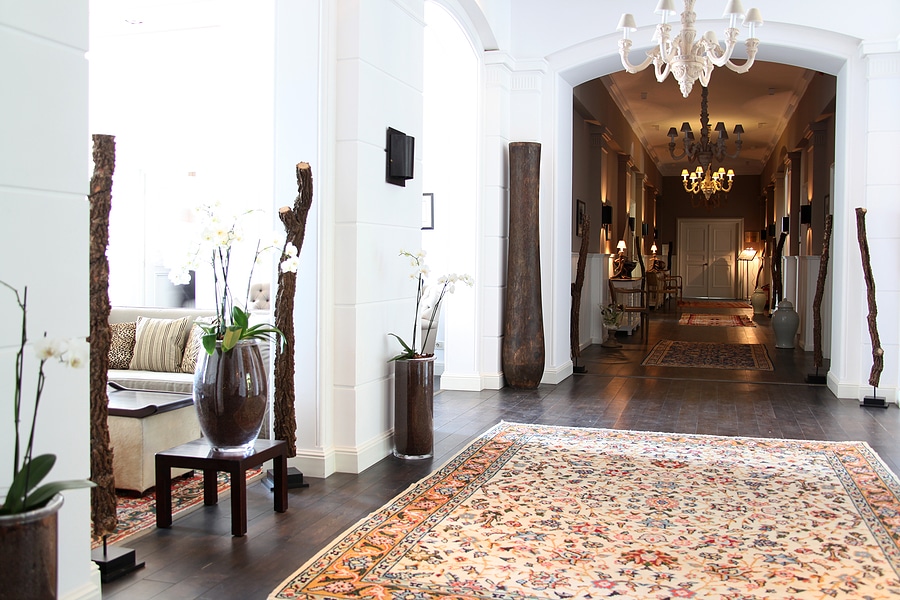
In boutique hotels, every detail matters. Unlike large chain hotels where consistency often takes priority, boutique spaces are built around character, atmosphere and storytelling. Art plays a central role in shaping that identity.
The right artwork can transform a room from functional to memorable. It can influence how guests feel when they walk into a space, guide movement through communal areas, and even define how a brand is perceived.
But selecting the right pieces is only half the story. Where and how artwork is placed is just as important. Here are some practical considerations when curating and placing artwork in boutique hotel environments.
1. Use art to define the first impression
The entrance and reception area is where the tone of the hotel is set. This is often the most important space for establishing identity. Artwork here should feel intentional, not decorative.
A large-scale piece or curated series of works can immediately communicate the hotel’s personality, whether that’s contemporary, classic, eclectic or locally inspired.
Colour choice is particularly important here. Warm tones can create a sense of welcome, while bold, expressive pieces can signal creativity and confidence.
2. Think in terms of storytelling, not decoration
One of the key differences in boutique hotel design is narrative. Art should not feel like an afterthought. Instead, it should contribute to the overall story of the building, its location or its concept.
This might mean referencing local culture, historical influences, architecture or even the surrounding landscape.
For example, a coastal hotel might feature artwork inspired by sea tones and natural textures, while an urban boutique hotel might focus on contemporary city photography or abstract interpretations of movement and energy.
3. Scale matters more than people think
One of the most common mistakes in hotel art placement is using pieces that are too small for the space. Boutique hotels often feature generous wall areas or double-height ceilings. In these environments, small artworks can easily feel lost or disconnected.
Large-scale pieces, or grouped compositions that create visual weight, tend to work far better. They help balance the architecture and prevent walls from feeling empty or underdeveloped.
In contrast, smaller works can still be effective in corridors, guest rooms or intimate seating areas where scale naturally feels more personal.
4. Create rhythm in corridors and transitional spaces
Corridors are often overlooked in hotel design, yet they play an important role in shaping the guest experience. Rather than treating them as purely functional routes, they can be used as curated gallery spaces.
Repeating frames, consistent spacing or a series of related works can create a sense of rhythm as guests move through the building. This approach helps maintain visual interest in otherwise transitional areas and reinforces the hotel’s overall design language.
5. Consider lighting as part of the artwork
Lighting can completely change the way artwork is perceived. Poorly lit pieces can feel flat or unnoticed, while well-lit works become focal points within a space. In boutique hotels, where atmosphere matters, lighting design should always be considered alongside art selection.
Warm, directional lighting often works well in reception areas and lounges, while softer ambient lighting may be more appropriate in guest rooms.
6. Guest rooms benefit from restraint
While public areas can accommodate bold statements, guest rooms often require a more considered approach. Art in bedrooms should contribute to relaxation and comfort. Overly complex or visually busy pieces can feel intrusive in a space designed for rest.
Instead, hotels often opt for calming photography, subtle abstracts or locally inspired imagery that supports a restful atmosphere. The key is balance. The artwork should complement the interior design without demanding too much attention.
7. Work collaboratively with artists and designers
The most successful boutique hotels often involve collaboration between interior designers, artists and framers in London or their local area from an early stage.
This allows artwork to be integrated into the design concept rather than added at the end of the process. It also opens up opportunities for bespoke commissions, site-specific works and tailored framing solutions.
Creating atmosphere through thoughtful placement
Ultimately, art in boutique hotels is about more than decoration. It is about atmosphere, identity and experience.
Thoughtful placement can transform how a space feels, guiding guests emotionally as they move through the building. From impactful entrance pieces to carefully considered room artworks, every decision contributes to the overall impression.