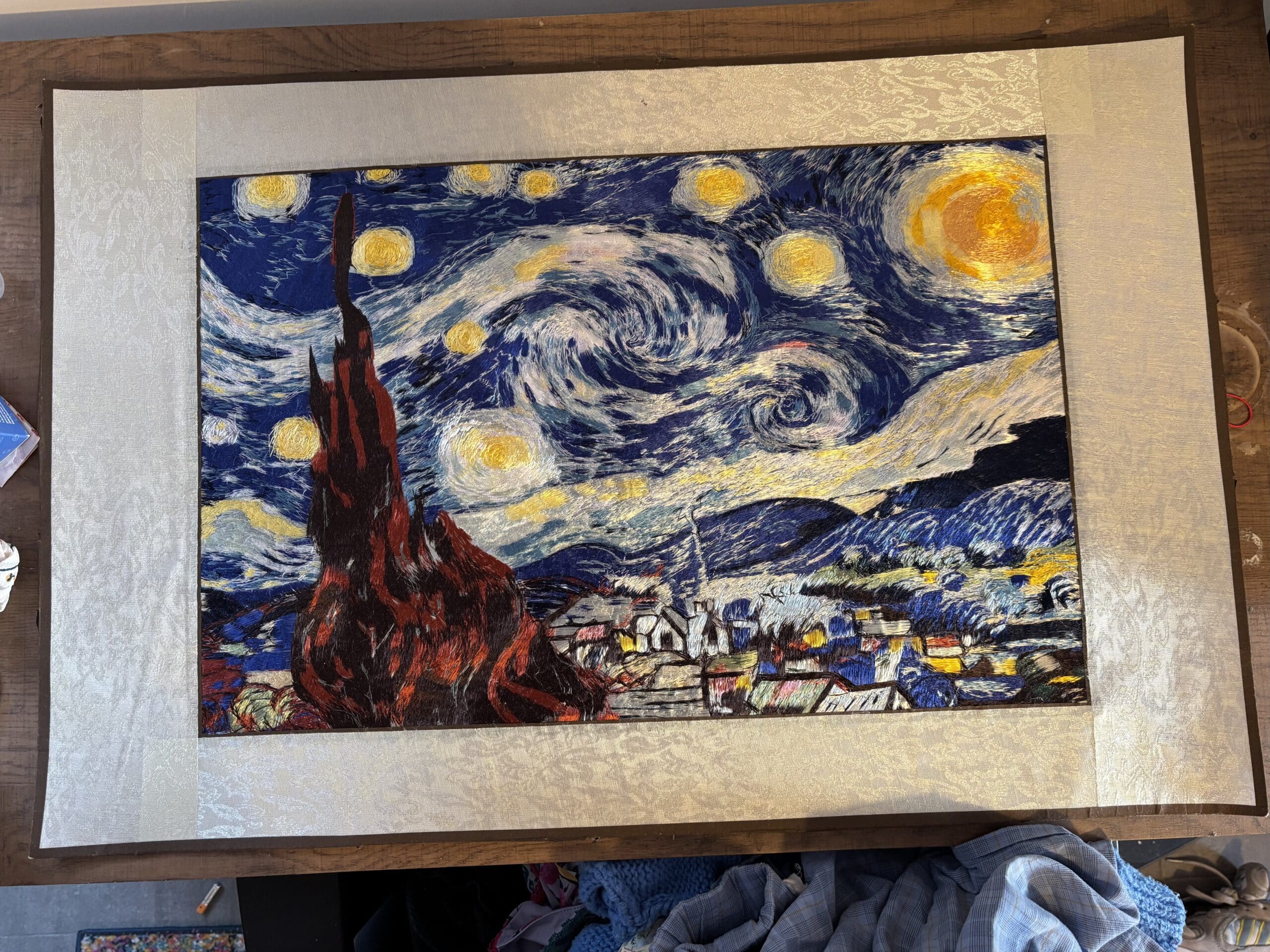
Choosing a picture frame might seem straightforward. However, when you’re framing artwork, photographs, prints or sentimental pieces that you want to preserve for years, there’s a lot to consider.
The wrong frame, poor-quality materials or unsuitable positioning can affect both the appearance and condition of your artwork. Fortunately, most common picture framing mistakes are easy to avoid with a little professional advice.
Choosing a frame before considering the artwork
One of the biggest mistakes is choosing based purely on what looks attractive in the framing shop. The frame should complement the artwork rather than competing with it. Consider the colours, style, proportions and subject of the piece before making a decision.
A traditional oil painting might work beautifully with a more decorative frame, while a contemporary print could benefit from a simple, clean-lined design. The frame should also work within the room where the artwork will be displayed.
Using the wrong size frame
It’s tempting to buy a standard frame because it is convenient and inexpensive. However, forcing artwork into an unsuitable size can result in awkward proportions or an overly cramped display.
This is particularly noticeable with unusual artwork sizes, panoramic photographs, children’s artwork and original pieces. A bespoke frame can be made to the exact dimensions required, while a custom mount can provide additional space around the image.
Using poor-quality mounting materials
The materials behind the artwork matter just as much as the frame you can see. Cheap mounts and backing boards may contain acids that can contribute to yellowing, staining and deterioration over time.
This can be particularly problematic for valuable artwork, photographs and paper-based prints. Acid-free and conservation-quality materials are designed to provide a more stable environment and help protect artwork over the long term.
Letting artwork touch the glass
Artwork should generally not sit directly against the glazing. Without sufficient separation, moisture can become trapped between the artwork and glass. In some circumstances, this can contribute to sticking, staining or other forms of damage.
A properly designed mount or spacer creates an appropriate gap between the artwork and the glazing. This is particularly important for works on paper and other delicate materials.
Ignoring UV protection
Sunlight can gradually damage artwork and photographs. Ultraviolet light can cause pigments, inks and dyes to fade, potentially changing the appearance of a piece over time. This is easy to overlook because the damage happens gradually rather than overnight.
If you’re displaying artwork in a bright room, particularly near large windows, UV-protective glazing can provide an important additional layer of protection. You should also consider positioning valuable pieces away from prolonged direct sunlight.
Choosing glazing without considering reflections
Standard glass can produce distracting reflections, particularly in rooms with large windows or lots of artificial lighting. This can make it difficult to properly appreciate the artwork, even if the piece itself has been framed beautifully.
Anti-reflective glazing can reduce reflections and improve visibility. For artwork that you want to enjoy from different angles, this can make a noticeable difference.
Hanging artwork in the wrong location
Even a professionally framed picture can be affected by its surroundings. Avoid placing valuable artwork directly above radiators, fireplaces or in areas exposed to significant changes in temperature and humidity.
Bathrooms and damp areas can also create unsuitable conditions for many types of artwork. Think about sunlight, moisture, heat and general environmental conditions when deciding where to hang a piece.
Hanging everything at the same height
There isn’t necessarily one correct height for every picture, but hanging artwork without considering the surrounding furniture and room proportions can make a display feel disconnected.
Artwork usually looks more integrated when it relates visually to the furniture below it. When creating a gallery wall, the relationship between individual pieces is also important.
Before putting holes in the wall, consider arranging the frames on the floor first. This allows you to experiment with spacing and positioning until you find an arrangement that works.
Trying to do everything yourself
DIY framing can be perfectly appropriate for inexpensive posters and temporary displays. However, valuable, delicate or unusual items can be damaged surprisingly easily by incorrect mounting, unsuitable adhesives or poor-quality materials.
Professional framing provides access to specialist materials, techniques and advice tailored to the individual piece.
It can also help you achieve a more polished result, particularly when you’re framing artwork that will become a permanent feature of your home.