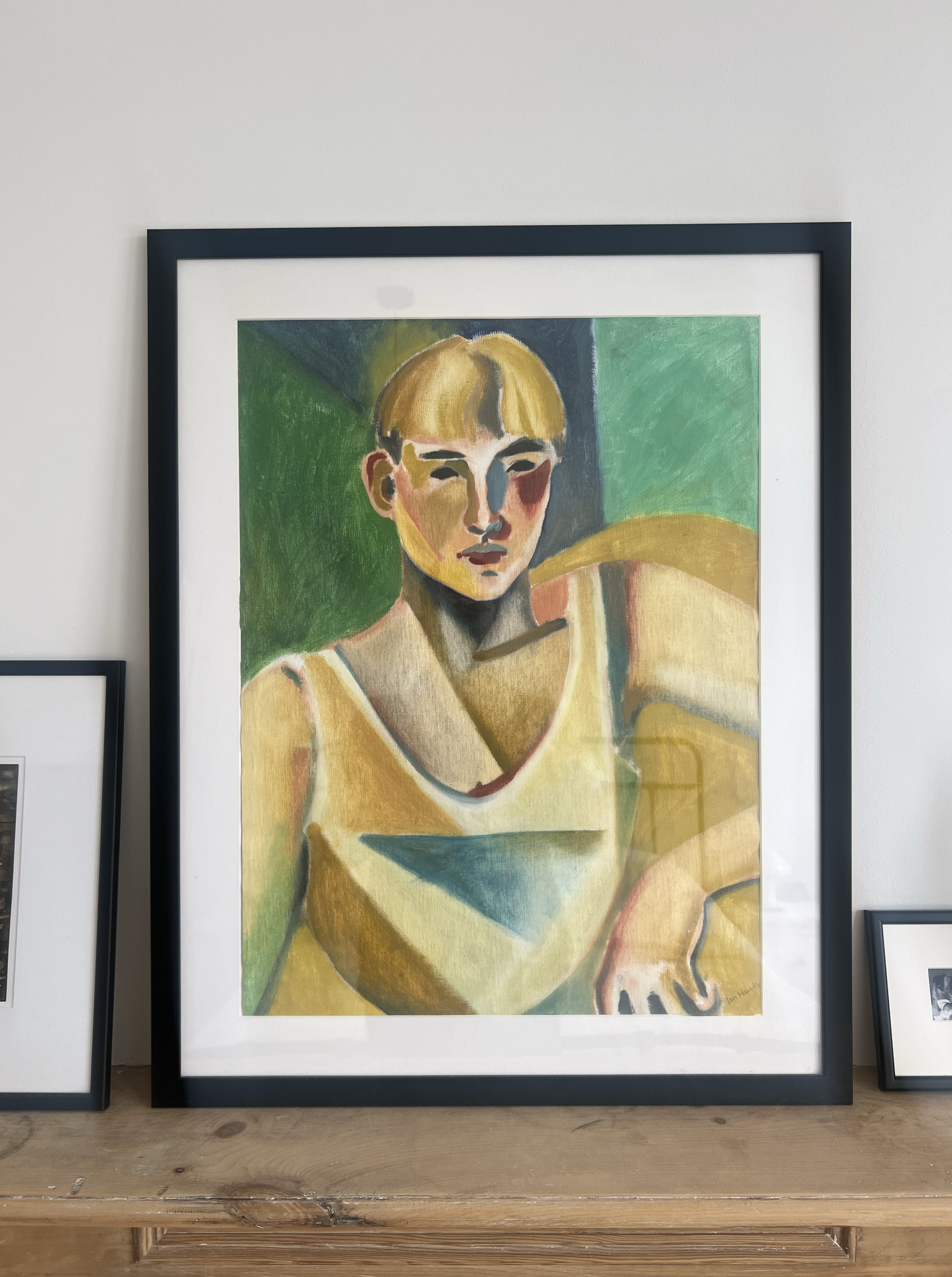
If you’ve been toying with the idea of investing in some custom picture frames to upgrade your home or office interior design, but feel a little daunted about the prospect of getting it right, don’t worry. Here’s a guide for people who are interested in bespoke picture framing, but don’t quite know where to start.
What is custom framing?
Custom framing simply means that the frame is made especially for the artwork or print, rather than bought ready-made off the shelf. This means the frame and mount will be the perfect size to suit the piece, with no hidden edges or unsightly gaps. The materials can be especially chosen to preserve and protect the artwork in the long term.
Above all, the frame and mount (the inner section of cardboard or paper that goes in between the artwork and the edges of the frame) can be chosen to complement the piece, and also the space it is intended for, so that everything works in harmony.
As you can probably imagine, a custom frame does cost more than your average Ikea job. However, over the long-term the investment will pay off. You can choose (or ask for advice from the friendly and knowledgeable shop staff) the right colours, textures, and proportions for the print, painting, or photograph.
This can make all the difference to the piece, yet it is usually compromised when we buy an of-the-shelf frame: colours that fight with the colours of the piece; a mount that is too wide or too narrow and clutters or overwhelms the effect; a texture that is not a good match for the style of the artwork; a mismatch between the contemporary and vintage.
An inappropriate frame detracts from the artwork, and while it might have been a bargain, it will never really look right. A custom frame will not only show off the artwork beautifully, but it can also be chosen to complement the space where it will be displayed.
It will also be tailored to your personal taste, so you will feel that glow of satisfaction rather than the twist of compromise every time you look at it. Furthermore, the frame will be made from high quality archival materials that are designed to prevent the artwork from fading, warping or becoming discoloured over time.
It’s a bit like the difference between buying a suit in a supermarket and buying one from a high end tailor: yes, it costs more, but it will look good, fit beautifully, and last for decades to come.
Tips to help you get started
Still feeling unsure about where to start? Here are some practical tips.
The mount
The mount is primarily designed to put some space in between the artwork and the glass, to prevent any damage or discolouration through direct contact. However, it also helps to provide some quiet space between the picture and the frame, which is easier on the eye and less distracting.
The mount doesn’t necessarily need to be off-white, although this is the colour that is most often used. Sometimes, a second layer of mount in a stronger colour is used to pick out an accent colour from the piece, helping to draw everything together. It’s still best to have a lighter coloured inner layer to give the piece some breathing room.
The frame
Let the piece itself lead the choice of frame, rather than worrying about whether it will match the curtains: you might want to change your soft furnishings or the position of the picture in the future. A contemporary piece might suit a slim metal frame, whereas a traditional painting may be best suited to a natural material such as wood.
Finally, remember that you don’t need to have a piece of fine art or a professional photograph to invest in a bespoke frame. As long as it’s something that matters to you, it’s worth spending some time and money presenting it to perfection.