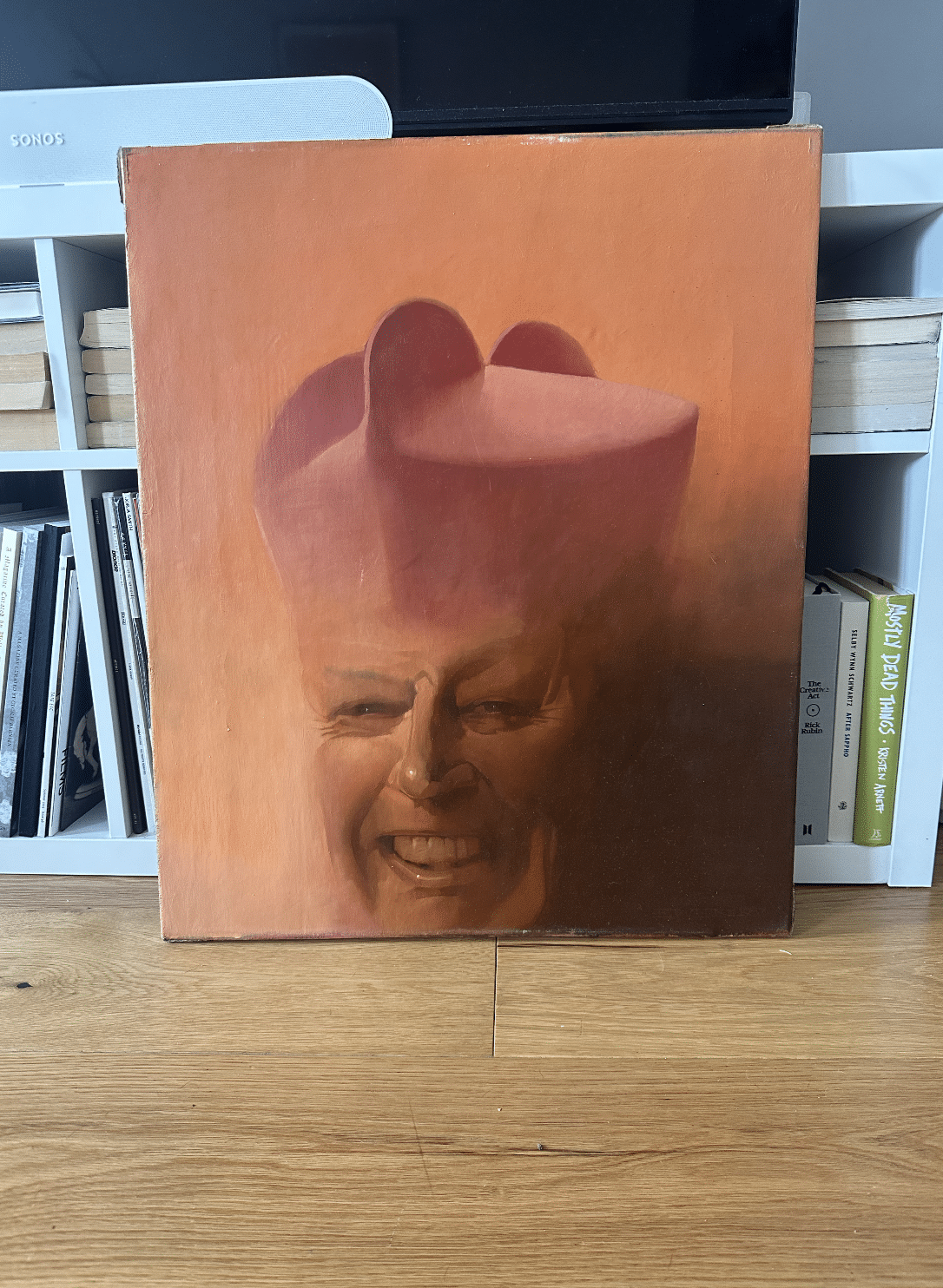
If you’ve ever seen artwork that appears to “float” within a frame, giving a clean, modern look where the subject is slightly separated from its edges, you were likely looking at a tray frame.
Also known as a float frame, this style has become increasingly popular with artists, galleries, and interior designers for its minimal, contemporary look. But what exactly is a tray frame, and when is it the right choice for your artwork?
What is a tray frame?
A tray frame is a type of frame designed specifically for artworks mounted on a canvas or panel. Instead of covering the edges of the artwork like a traditional frame, it creates a small gap, often called a shadow gap, between the artwork and the frame itself.
This gives the illusion that the piece is floating within the frame, rather than being enclosed by it.
Unlike standard frames, tray frames:
- Do not require glazing (glass or acrylic)
- Leave the full face and edges of the artwork visible
- Sit slightly away from the artwork, creating depth and dimension
The result is a clean, architectural finish that enhances the artwork without overpowering it.
Why choose a tray frame?
Tray frames are popular for a reason: they strike a balance between protection, presentation, and simplicity.
Here’s what makes them stand out:
A contemporary aesthetic
Tray frames are ideal if you want a modern, gallery-style look. The shadow gap adds subtle depth, making the artwork feel more intentional and elevated.
They showcase the full artwork
Because the frame doesn’t overlap the edges, nothing is hidden. This is especially important for artists who paint around the sides of a canvas or want their work viewed in its entirety.
They add structure without distraction
Unlike ornate or heavy frames, tray frames provide definition without competing visually with the artwork itself.
Versatility in finishes
From natural oak and ash to hand-painted colours, tray frames can be tailored to suit both the artwork and the surrounding space.
When should you use a tray frame?
While tray frames are versatile, they’re particularly well suited to certain types of artwork and settings.
- When framing canvas artwork
Tray frames are most commonly used for stretched canvases. If your artwork is already mounted on a wooden stretcher, this framing method is often the most natural fit.
It enhances the piece without the need for mounts or glazing, keeping the presentation simple and true to the original.
- When you want a modern or minimalist look
If your space is contemporary with clean lines, neutral tones, and uncluttered layouts, a tray frame complements that aesthetic perfectly.
Slim or box-profile tray frames, especially in natural wood or monochrome finishes, work well in modern interiors and gallery environments.
- When the edges of the artwork matter
Many artists continue their composition around the edges of the canvas. A traditional frame would cover this detail, but a tray frame keeps it visible.
This makes it a strong choice for:
- Abstract paintings
- Textured or mixed media pieces
- Works where the edge is part of the design
- For exhibitions and gallery presentations
Tray frames are widely used in galleries because they offer a clean, consistent way to present artwork without distracting from it.
They also create a professional finish that can elevate the perceived value of the piece; something particularly important when selling artwork.
- When you want subtle impact, not heavy framing
Not every artwork needs a bold or decorative frame. Sometimes, less really is more. Tray frames provide just enough structure to define the artwork on a wall, without overwhelming it. If you’re aiming for understated impact, this is often the right direction.
When might a tray frame not be the best option?
Tray frames aren’t suitable for everything.
They may not be the right choice if:
- Your artwork is on paper (these typically require glazing and mounting)
- You want a more traditional or ornate look
- The piece needs additional protection from environmental factors
In these cases, a mounted and glazed frame may be more appropriate.
Choosing the right tray frame finish
The finish you choose can subtly change how the artwork is perceived.
- Natural wood (oak, ash) – warm, organic, and timeless
- Hand-painted colours – ideal for matching interiors or making a statement
- Black or white – clean, modern, and versatile
Need help deciding if a tray frame is right for your artwork?
Drop into our framing shop in London or use our quick online quote form – we’re happy to guide you through the options and recommend the best solution for your piece.