Artwork plays a powerful role in hospitality spaces. In hotels, restaurants, cafés and bars, framed artwork helps define atmosphere, reinforce branding and shape how guests feel the moment they walk in.
The challenge is choosing framing styles that look considered, withstand heavy use and still feel appropriate across a busy commercial environment.
Here’s how to approach bespoke framing for hospitality venues in a way that balances design, durability and long-term value.
Why are framing choices important in hospitality spaces?
Hospitality interiors are experienced differently from homes or galleries. Guests are moving through spaces, lighting conditions change throughout the day, and artwork needs to look good from both close up and across a room.
Well-chosen framing:
- Supports the overall interior design scheme
- Enhances artwork without distracting from it
- Stands up to frequent cleaning and handling
- Feels intentional rather than decorative filler
Poor framing, on the other hand, can make even strong artwork feel out of place or cheap.
How can you ensure the frame doesn’t detract from the artwork?
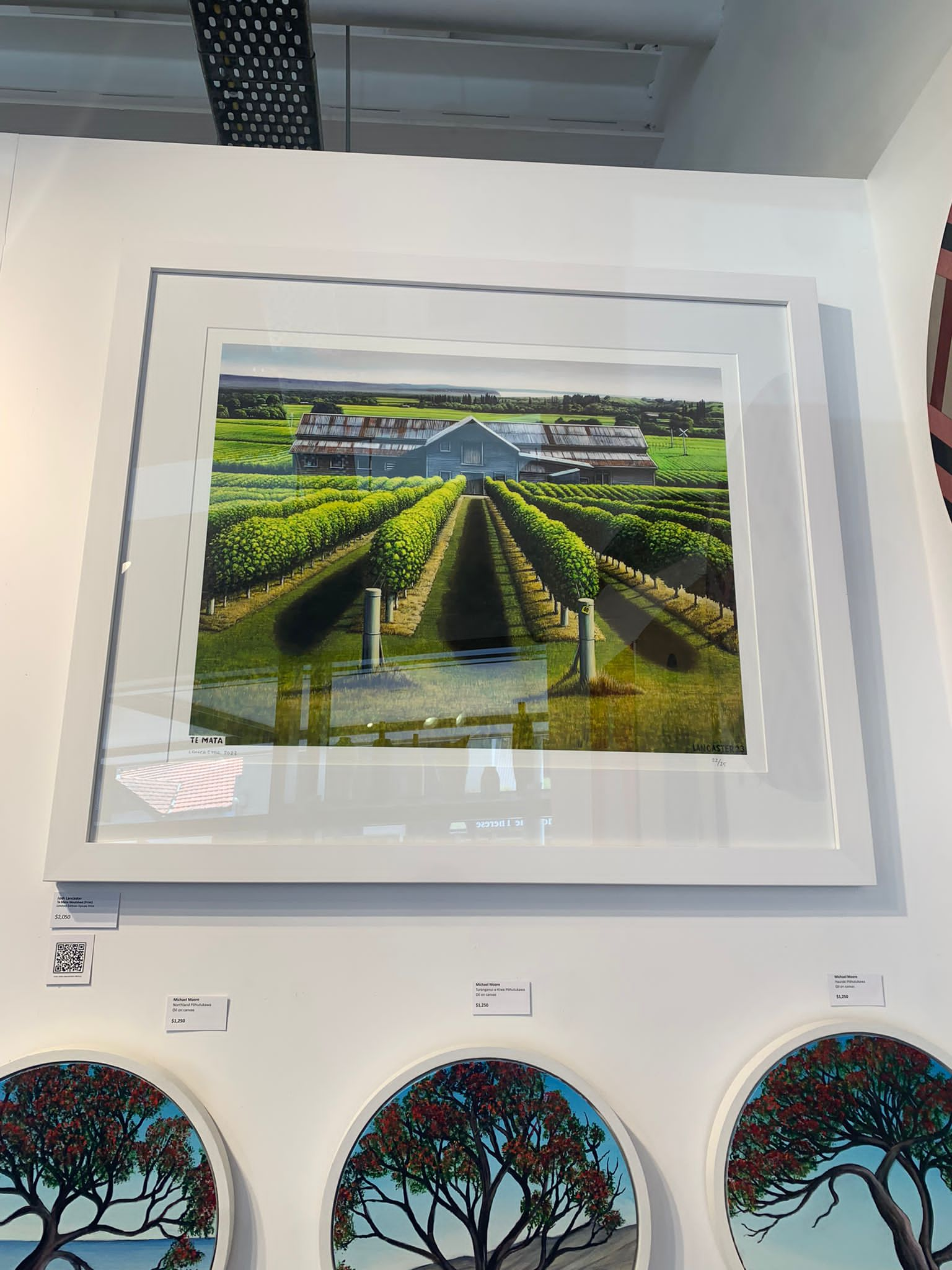
In most hospitality settings, the frame should never dominate. Clean, simple profiles work best, allowing artwork to complement the space rather than compete with furniture, lighting or architectural details.
Slim and box-style frames are particularly effective because they:
- Suit both modern and transitional interiors
- Work well with photography, illustration and prints
- Create a calm, uncluttered look across multiple pieces
Overly ornate or decorative mouldings tend to feel dated quickly and can clash with evolving interiors.
How can you choose frame colours that work across a venue?
Consistency is fundamental in hospitality framing. Using a limited palette of frame colours helps create cohesion, even when artwork varies from room to room.
Popular and reliable choices include:
- Black frames for modern, graphic interiors
- White frames for light, minimalist spaces
- Natural wood frames for warmer, more relaxed environments
Neutral tones age well and make it easier to add or replace artwork later without re-framing everything from scratch.
Where do solid wood frames work best?
Solid wood frames are often worth the investment in hospitality venues, particularly in reception areas, dining spaces and guest rooms.
They offer:
- Greater durability over time
- A more premium feel
- Better resistance to warping or damage
Hand-finished solid wood frames in oak or ash work especially well in boutique hotels and design-led restaurants where detail matters. Matt finishes are generally preferable, as they reduce glare under artificial lighting.
How do mount choices affect hospitality artwork?
Mounting choices can significantly affect how artwork reads in a space. A window mount adds breathing room and helps artwork feel intentional and balanced. This is a good option for:
- Photography
- Illustrations
- Smaller prints used on larger walls
For a more contemporary look, edge-to-edge framing works well with bold imagery, typographic artwork or prints with built-in borders. This approach keeps things clean and direct, which suits cafés, bars and casual dining spaces.
Float mounting can also work in high-end venues, especially where the artwork itself has texture or deckled edges, but it should be used sparingly to avoid visual clutter.
Do aluminium picture frames work for modern hospitality interiors?
Aluminium frames are a strong option for venues with a sleek, modern aesthetic. They’re lightweight, durable and consistent in finish, making them ideal for:
- Long corridors
- Stairwells
- High-traffic areas
- Large installations
Their minimal appearance allows artwork to sit comfortably alongside contemporary materials like concrete, steel and glass.
How important are glazing choices when framing artwork?
Glazing is often overlooked in hospitality framing, but it plays a big role in how artwork is experienced.
Venues typically benefit from:
- Anti-reflective glass, reducing glare from overhead and ambient lighting
- UV-protective glazing, especially in spaces with natural light
Clear viewing matters. If guests can’t see the artwork properly because of reflections, it loses impact regardless of how good the framing is.
What are the durability and maintenance considerations for picture frames?
Hospitality artwork needs to cope with frequent cleaning, temperature changes and daily wear.
Frames should be:
- Properly joined and well-supported
- Finished with sealed surfaces that are easy to wipe clean
- Backed with conservation-grade materials to reduce moisture issues
Lightweight yet sturdy construction also makes installation and maintenance easier for staff.
How to plan hospitality artwork for the long-term
Hospitality interiors evolve. Menus change, branding updates, and spaces get refreshed. Framing choices should allow for this.
Using a curated, consistent framing style across a venue makes it easier to:
- Replace artwork without redesigning the entire scheme
- Expand collections over time
- Maintain a cohesive look across different areas
This approach also helps control costs and reduce unnecessary waste.
The best picture framing for hospitality venues is simple, durable and considered. Neutral colours, clean profiles and high-quality materials allow artwork to enhance the space without overpowering it.