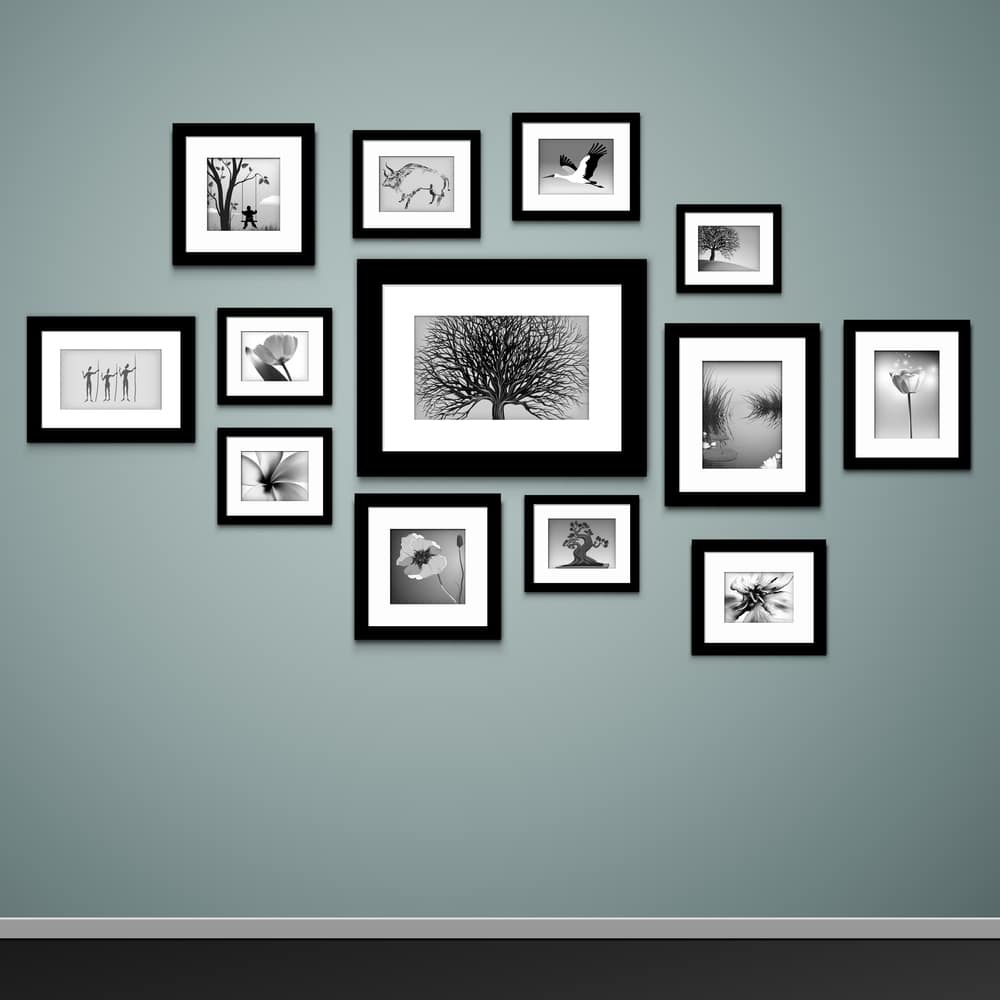
Whether you’ve invested in an original painting, bought a limited-edition print or picked up an affordable piece from a local artist, the right frame can make all the difference.
A well-chosen frame not only enhances the appearance of the artwork but also helps protect it from damage, ensuring it can be enjoyed for years to come. One question professional framers are often asked is whether original artwork should be framed differently from prints.
Generally, the answer is yes. While many bespoke framing principles apply to both, the materials, techniques and level of protection needed can vary depending on the artwork itself.
Understanding these differences can help you make informed decisions and get the most from your investment, whether it holds significant financial value or simply has personal meaning.
What’s the difference between original art and a print?
Original artwork is a one-of-a-kind piece created directly by the artist. This could include oil or acrylic paintings, watercolours, charcoal drawings or mixed-media works.
Prints, on the other hand, are reproductions of an original artwork. They range from inexpensive open-edition prints to high-quality limited editions that may be signed and numbered by the artist.
Original artwork often requires greater protection
Because an original piece cannot simply be replaced, preserving its condition is especially important.
Professional picture framers will consider factors such as:
- The age of the artwork
- The materials used
- Whether it has existing signs of wear
- The environment where it will be displayed
For example, an original watercolour is particularly sensitive to light, humidity and changes in temperature. It may benefit from conservation framing techniques, acid-free materials and UV-protective glazing to help minimise deterioration.
Oil paintings present different challenges. They often don’t require glazing, but they do need frames that provide proper support without placing pressure on the painted surface. Each original artwork is unique, which is why a bespoke approach is usually recommended.
Prints also deserve professional framing
It’s easy to assume that because a print isn’t an original, it doesn’t require the same level of care. In reality, many prints can fade, crease or become damaged just as easily as original artwork.
Limited-edition prints, signed editions and fine art giclée prints often increase in value over time, making proper framing an important investment.
Professional framing helps protect prints from:
- UV damage
- Dust and dirt
- Moisture
- Acid migration from poor-quality materials
- Creasing and warping
Even if a print has modest financial value, it may have significant sentimental importance, making long-term preservation worthwhile.
Conservation materials make a difference
Whether you’re framing an original or a print, the materials used behind the scenes are just as important as the frame itself. Professional framers typically recommend acid-free mounts and backing boards, which help prevent paper from yellowing or becoming brittle over time.
Conservation-quality tapes and mounting methods are also used to secure artwork without causing unnecessary damage. Unlike household adhesives or masking tape, these methods are designed to protect the artwork and, where possible, allow it to be removed safely in the future.
Choose glazing based on the artwork
The type of glazing used can vary depending on both the artwork and where it will be displayed. For works on paper, including most prints, drawings and watercolours, UV-protective glass is often recommended to reduce fading caused by sunlight.
Anti-reflective glazing can also improve visibility, particularly in bright rooms with large windows. Some original paintings, especially oils and textured acrylics, are generally displayed without glass to allow the texture of the paint to be appreciated.
However, this decision depends on the artwork, its condition and the environment in which it will hang. A professional framer can advise on the most suitable option for each individual piece.
Presentation matters too
Beyond protection, framing should complement the artwork itself. An ornate traditional frame may suit a classic oil painting, while a contemporary print might look best in a clean, minimalist design.
Mount colours, frame depth and proportions all influence how the finished piece looks within your home. Bespoke picture framing allows every element to be tailored to the artwork rather than forcing it to fit a standard-sized frame.
Every artwork deserves the right frame
While original artwork often requires additional conservation measures, prints also benefit greatly from professional picture framing. Both can suffer damage if framed incorrectly, and both deserve careful consideration when it comes to preservation and presentation.
Whether you’ve purchased an original painting, inherited a family artwork or found the perfect print for your home, bespoke framing ensures it is protected, beautifully displayed and ready to be enjoyed.