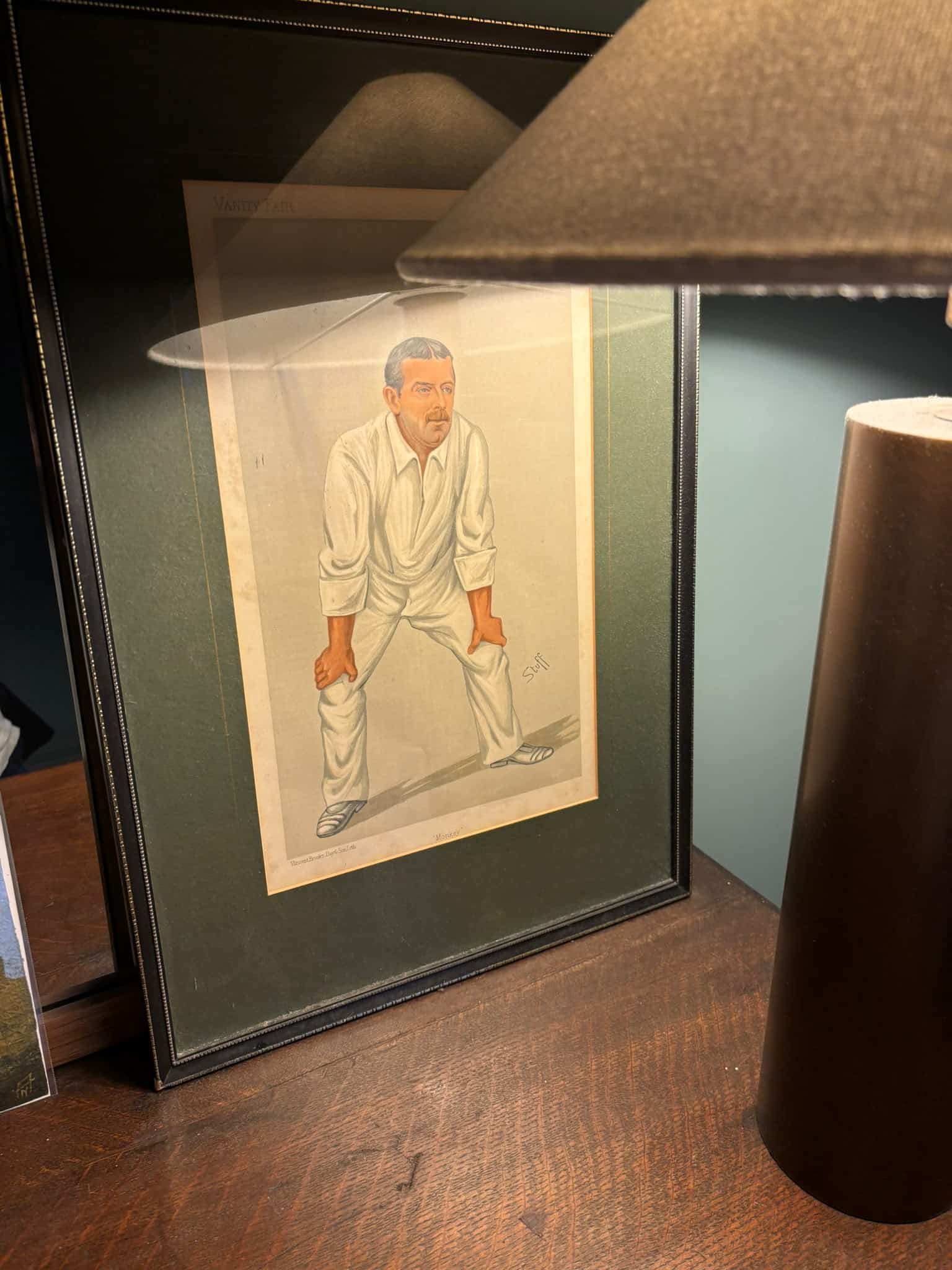
Modern London homes come in all shapes and sizes, from converted warehouses and industrial apartments to Victorian terraces and contemporary new-builds.
While each property has its own character, artwork can help bring a space together, introduce personality and make an interior feel more individual.
The best artwork for a modern home isn’t necessarily the most expensive or fashionable. It is work that complements the space, reflects the people who live there and creates an interesting visual connection with the surrounding interior.
From abstract paintings to limited-edition prints and photography, here are some types of artwork worth considering for a contemporary London home.
Abstract art for contemporary interiors
Abstract art is a popular choice for modern interiors because it can introduce colour, texture and movement without relying on a recognisable subject.
A large abstract painting can become the focal point of a living room, while a smaller piece can add interest to a hallway, bedroom or home office. Depending on the artist’s style, abstract work can feel bold and energetic or subtle and understated.
Consider how the artwork’s colours interact with the rest of the room. A neutral interior can benefit from a colourful piece that creates contrast, while a more vibrant space might suit an abstract work with a limited palette.
Photography and architectural prints
London’s architecture offers plenty of inspiration for artwork, making photography and architectural prints particularly appealing choices for city homes.
Black-and-white photography can work well in minimalist interiors, adding detail without introducing too much colour.
Architectural photography, meanwhile, can celebrate the character of urban environments, from historic buildings and industrial structures to striking contemporary design.
When choosing photographic artwork, think about the atmosphere you want to create. Landscapes can introduce a sense of calm, while architectural images may give a room a more structured, graphic feel.
Limited-edition prints
Original artwork isn’t the only way to build an interesting collection. Limited-edition prints offer another route into collecting, with opportunities to discover artists, printmakers and illustrators working in a wide range of styles.
Screen prints, lithographs, linocuts and other printmaking techniques can produce distinctive results, often with textures and details that differ from mass-produced reproductions.
Prints can be particularly useful when decorating smaller London homes, where a carefully selected piece can add character without overwhelming the room.
Original paintings for character and individuality
Original paintings can give a modern interior a sense of individuality that is difficult to replicate with generic decorative pieces.
You don’t need to invest in a well-known artist to find something distinctive. Independent galleries, open studios and art fairs can introduce you to emerging artists whose work feels personal and engaging.
Don’t assume that contemporary paintings only belong in contemporary buildings, either. A bold modern artwork can create an interesting contrast with traditional features such as Victorian fireplaces, decorative cornices and original timber floors.
Illustrations, graphic art and typography
For a more playful or graphic approach, consider illustrations, screen prints and typography-based artwork.
These styles can work particularly well in home offices, kitchens, hallways and informal living spaces. Depending on the design, they can introduce humour, celebrate a personal interest or provide a striking contrast with more traditional furnishings.
Graphic artwork can also be an effective way to introduce colour into a neutral room. However, the artwork doesn’t have to be bright to make an impact. Simple line drawings and monochrome illustrations can feel equally distinctive.
Large-scale artwork or a gallery wall?
One of the biggest decisions is whether to choose a single statement piece or create a gallery wall. Large-scale artwork can work well in open-plan spaces or living rooms with high ceilings. It gives the eye a clear focal point and can help anchor a seating or dining area.
Gallery walls offer more flexibility, allowing you to combine different artists, mediums, photographs and personal pieces. They can be particularly effective in hallways and staircases, where a collection can make use of an otherwise underused space.
Why framing makes a difference
Whatever type of artwork you choose, framing can influence how it looks within your home. A simple, understated frame can complement contemporary photography or graphic prints, while a more decorative option can introduce contrast around a modern painting.
Mounts can give works on paper additional breathing space, and suitable glazing can help protect delicate prints and photographs. The right choice depends on the artwork itself, the surrounding interior and how you want the finished piece to feel.
A professional framer can help you explore frame styles, materials and proportions.